
the library
The science, made useful.
Where psychology, physiology and women's health research become practical tools for everyday life.

Women’s Networks at Work: Powerful, But They Can’t Do It Alone
Women’s networks can be a powerful source of connection, insight and career development, but they should not be expected to carry responsibility for gender equality or women’s health on their own. This article explores what makes a women’s network genuinely effective, from executive sponsorship and meaningful budgets to recognition, influence and a clear connection to wider organisational strategy.

Who Owns Women’s Health at Work? When Everyone Is Involved but No One Is Accountable
Many organisations are doing more on women’s health, but the work is often scattered across HR, Wellbeing, EHS, employee networks and passionate volunteers. This article explores why shared responsibility still needs clear accountability, and why women’s health needs senior ownership, a clear strategy and better connection to talent, leadership and employee experience.

Menopause Action Plans vs Menopause Policies: What's the Difference?
What's the difference between a menopause policy and a Menopause Action Plan? Although they sound similar, they serve very different purposes. In this article, we explore how the two work together, why organisations shouldn't see them as interchangeable, and how each plays a different role in creating meaningful support for women at work.
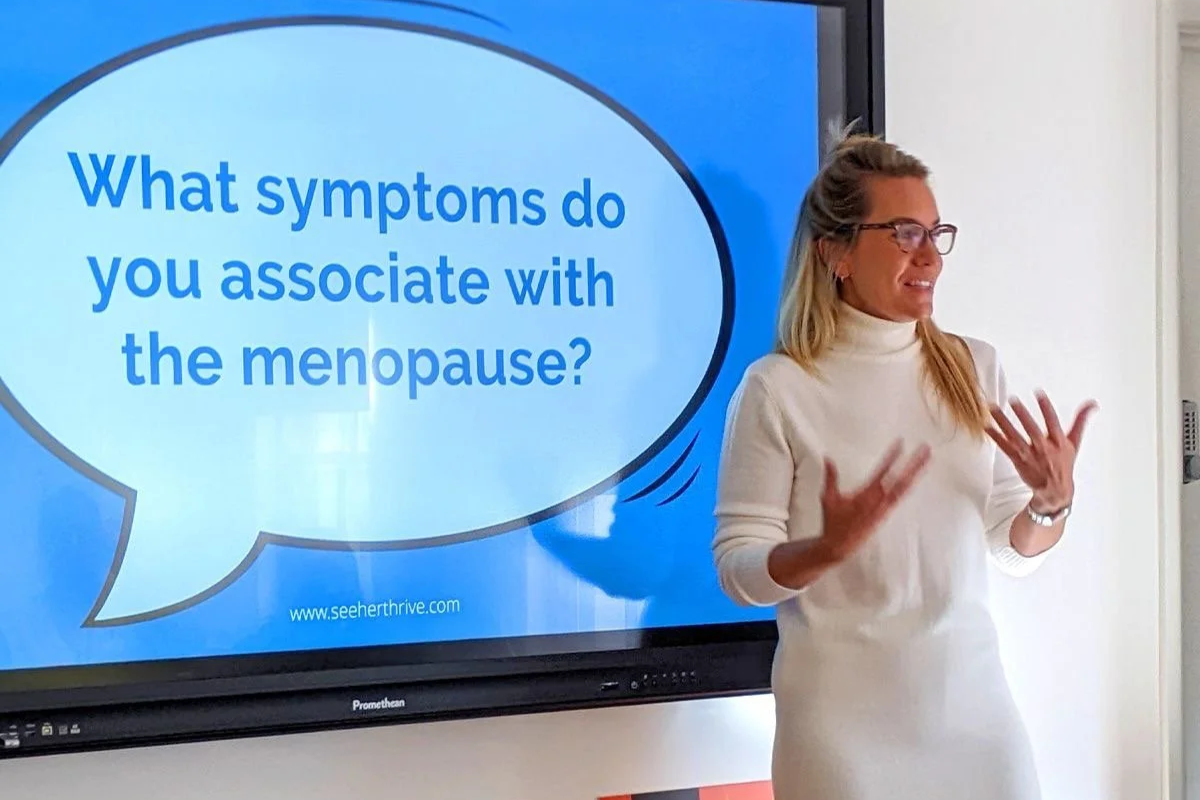
What is a Menopause Action Plan? (And Why I Think We're Asking the Wrong Question)
What is a Menopause Action Plan, and do employers really need one? In this article, Clare Knox explores what the UK Government's proposals could mean for organisations, why she's optimistic about the opportunity and why the real value of an Action Plan has very little to do with the document itself.

Are We Looking at the Wrong Business Case for Menopause at Work?
Workplace conversations about menopause often focus on absence, productivity and retention. But there is a bigger question. What happens when a temporary period of poor health starts to affect a woman’s career, earnings, pension and future opportunities? This article explores why good menopause support should be about keeping careers and choices open.

Menopause Action Plans Are Coming. Let's Make Sure We Get Them Right.
Menopause Action Plans are a positive step, but having a plan does not automatically create a better workplace. This article explores how employers can avoid tick-box approaches, unintended stigma and fear-based compliance, and instead focus on what really matters: improving women’s experience of work.
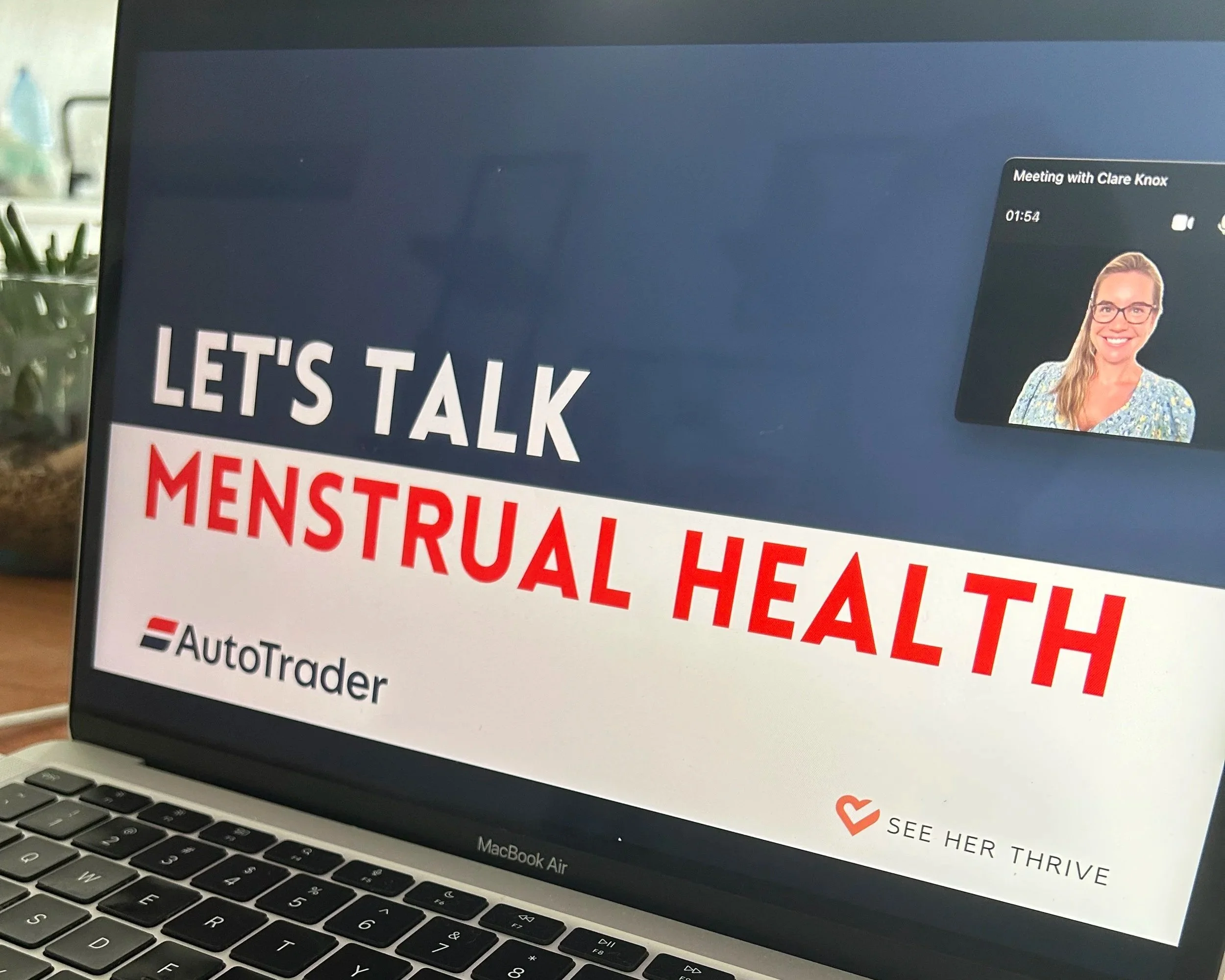
How to Create a Menstrual Friendly Workplace
Menstrual and hormonal health can have a real impact on how people feel and function at work, yet many employees still manage symptoms in silence. This article explores what a genuinely menstrual-friendly workplace looks like, from manager confidence and flexibility to policies, facilities and culture change.