
the library
The science, made useful.
Where psychology, physiology and women's health research become practical tools for everyday life.
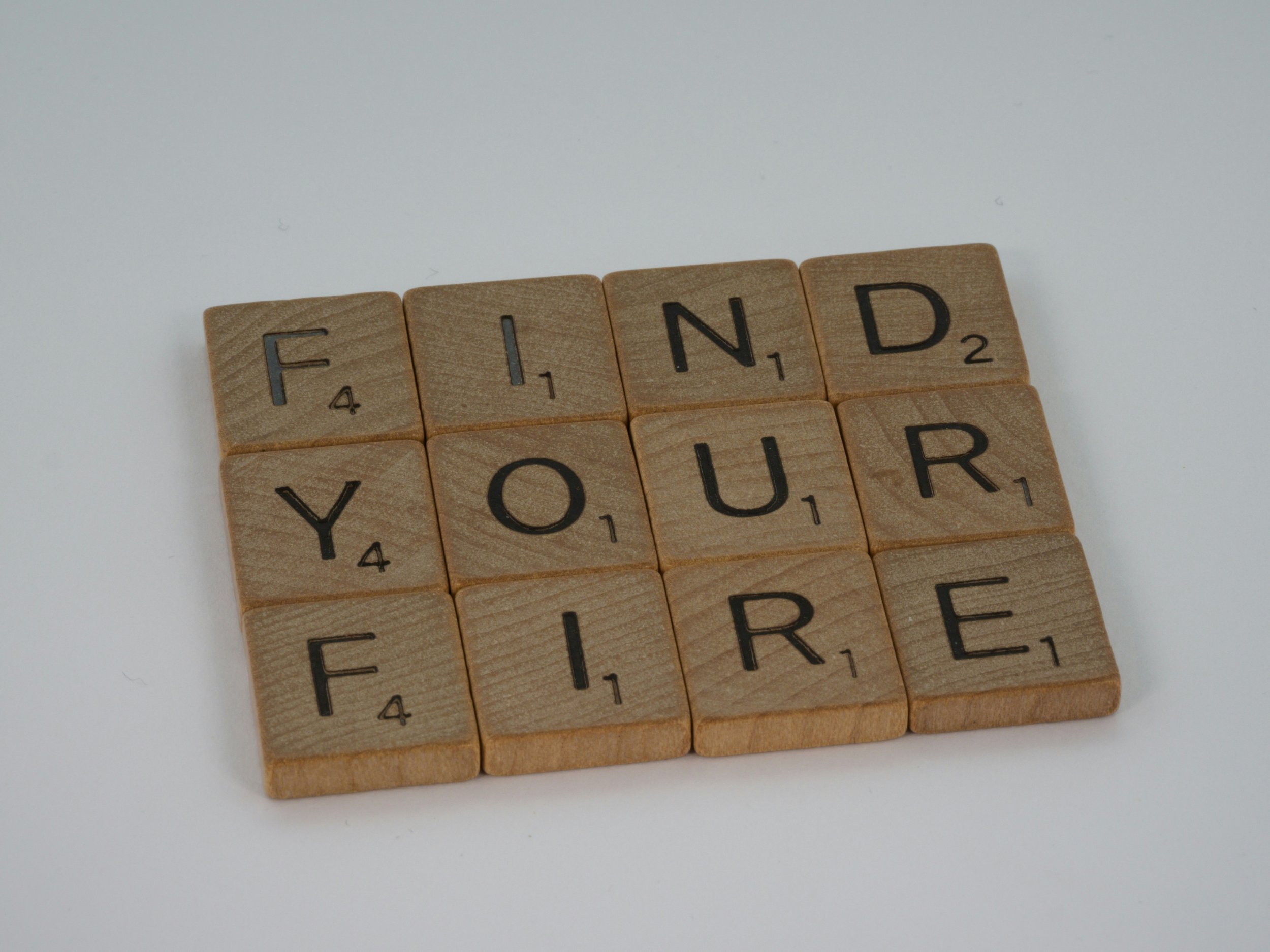
The Passion Penalty: What Happens When Women Show the Same Drive as Men?
We tell women to be confident, visible, ambitious and passionate if they want to get ahead. But what if those same behaviours are judged differently when women display them? This article explores new research on gender, passion and high-potential decisions, and asks whether the real problem lies not in how women show up, but in how organisations decide who looks like leadership material.

Stress at Work and Your Menstrual Cycle: What Do We Actually Know?
Stress affects far more than how we feel emotionally, and growing research suggests it may also influence menstrual health. This article explores what we actually know about stress and the menstrual cycle, why working patterns matter, and why employers need to look beyond resilience and consider the way work itself is designed.

Women’s Networks at Work: Powerful, But They Can’t Do It Alone
Women’s networks can be a powerful source of connection, insight and career development, but they should not be expected to carry responsibility for gender equality or women’s health on their own. This article explores what makes a women’s network genuinely effective, from executive sponsorship and meaningful budgets to recognition, influence and a clear connection to wider organisational strategy.

Who Owns Women’s Health at Work? When Everyone Is Involved but No One Is Accountable
Many organisations are doing more on women’s health, but the work is often scattered across HR, Wellbeing, EHS, employee networks and passionate volunteers. This article explores why shared responsibility still needs clear accountability, and why women’s health needs senior ownership, a clear strategy and better connection to talent, leadership and employee experience.

Menopause Action Plans vs Menopause Policies: What's the Difference?
What's the difference between a menopause policy and a Menopause Action Plan? Although they sound similar, they serve very different purposes. In this article, we explore how the two work together, why organisations shouldn't see them as interchangeable, and how each plays a different role in creating meaningful support for women at work.
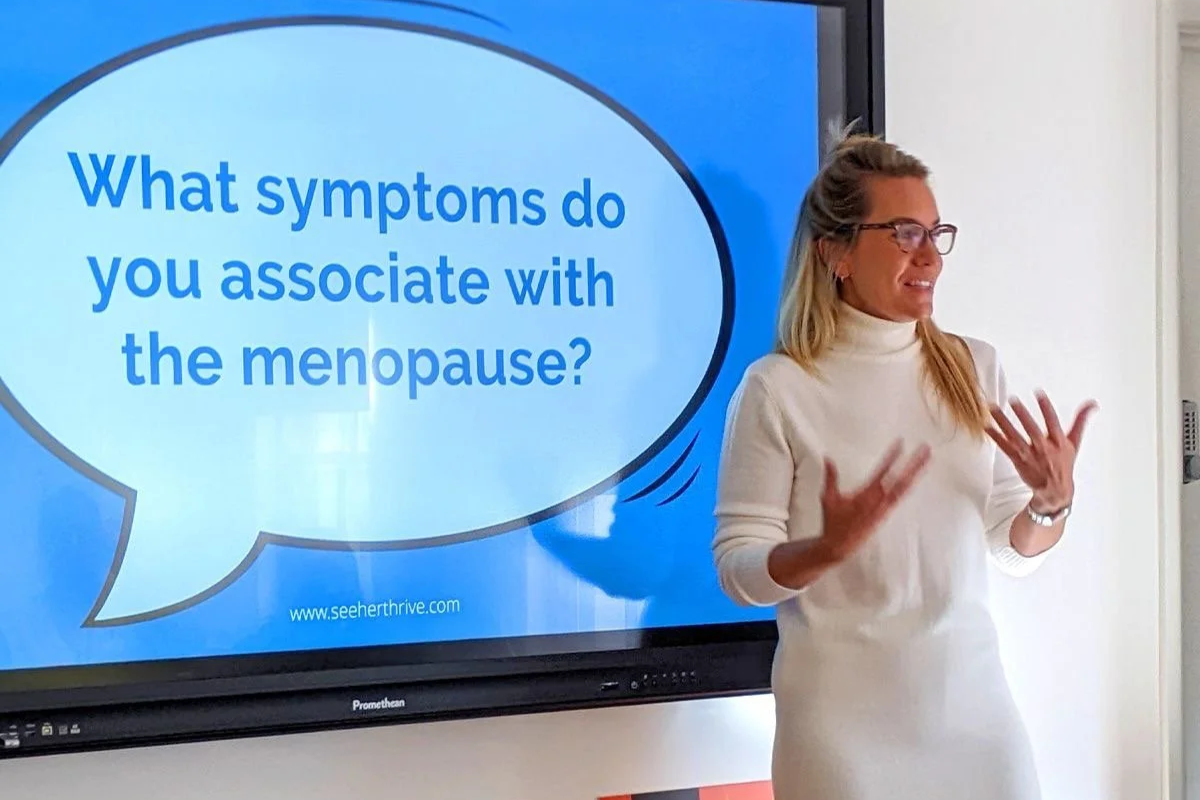
What is a Menopause Action Plan? (And Why I Think We're Asking the Wrong Question)
What is a Menopause Action Plan, and do employers really need one? In this article, Clare Knox explores what the UK Government's proposals could mean for organisations, why she's optimistic about the opportunity and why the real value of an Action Plan has very little to do with the document itself.

Are We Looking at the Wrong Business Case for Menopause at Work?
Workplace conversations about menopause often focus on absence, productivity and retention. But there is a bigger question. What happens when a temporary period of poor health starts to affect a woman’s career, earnings, pension and future opportunities? This article explores why good menopause support should be about keeping careers and choices open.

Menopause Action Plans Are Coming. Let's Make Sure We Get Them Right.
Menopause Action Plans are a positive step, but having a plan does not automatically create a better workplace. This article explores how employers can avoid tick-box approaches, unintended stigma and fear-based compliance, and instead focus on what really matters: improving women’s experience of work.
Is PMDD Genetic? A New Study Gives us Some Fascinating Clues
Is PMDD genetic? A landmark study involving more than 72,000 women offers fascinating new clues. Discover what the research reveals about genetics, the brain, hormones and why some women experience severe premenstrual symptoms while others don't.
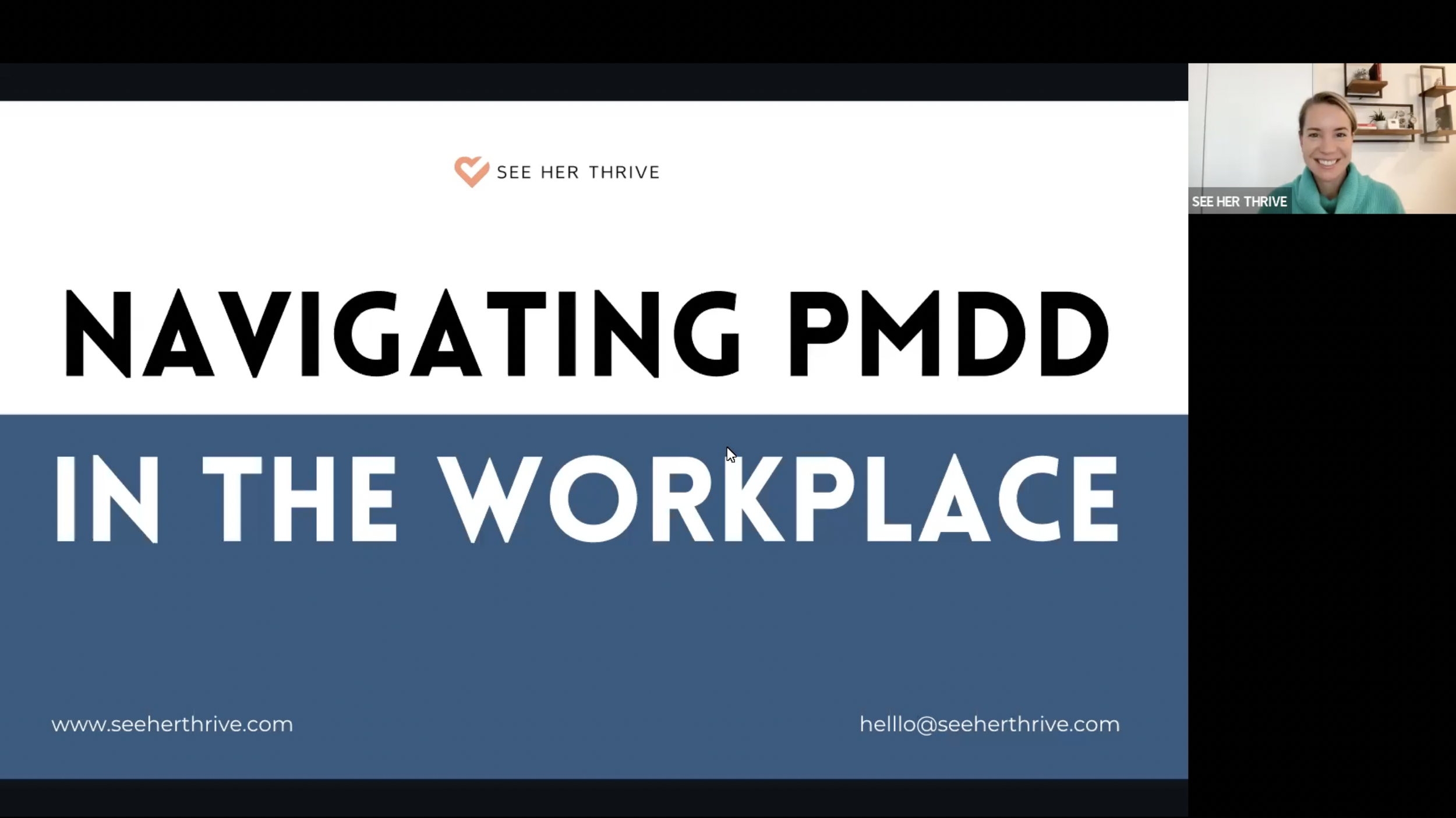
PMDD at Work: How to Cope, Communicate and Get Support (free webinar)
A practical on-demand webinar exploring how PMDD can affect working life, with guidance for anyone navigating symptoms at work and managers wanting to offer better support.

PMDD and PIP: How to Get an Employer Support Letter and Template
If you’re applying for PIP and have been asked to provide a letter from your employer, this free guide will help you understand what to ask for, what the letter should include, and how to make sure it reflects the real impact of PMDD. Inside, you’ll find practical guidance, example wording, and templates to make the process feel clearer and less overwhelming.

Signs Perimenopause Is Ending: How to Know You’re Nearing Menopause
Perimenopause doesn't last forever, even when it feels that way. Here are eight signs the transition is winding down and what the research says about how long it really lasts.

Am I in Perimenopause? 5 Early Signs Most Women Miss (Especially at Work)
Perimenopause doesn’t always look like hot flushes and missed periods. Sometimes it looks like brain fog in meetings, broken sleep, a shorter fuse, and feeling “not quite like yourself” at work. This blog breaks down 5 early signs many women miss, and what to do next, without the panic.

Is PMDD a Disability?
Is PMDD a disability? The answer is not a neat yes or no, and that uncertainty can make you feel even more alone when work is already hard. But if PMDD has a substantial, long-term impact on your ability to function, especially at work, you may be protected under UK and US law. In this article, I’ll walk you through what those protections can look like in real life, plus what to do if you have been dismissed, penalised, or treated unfairly.

AI Won’t Cure PMDD, But It Might Help You Keep Your Job
PMDD can make work feel impossible some weeks, especially when brain fog, low mood, and overwhelm hit at the same time. This article explores how AI can act as practical cognitive support during low-capacity days, helping with communication, prioritising, and meeting follow-up. It’s not about pushing through. It’s about reducing load, protecting confidence, and finding realistic ways to stay in work while living with cyclical hormonal health challenges.

Low Drive, Brain Fog, Feeling Flat: Is It Oestrogen or Testosterone?
Feeling flat, foggy or low drive? Learn how oestrogen and testosterone interact in women, why “normal” tests can miss it, and what to ask next.

International Women’s Day 2026: Rights. Justice. Action. For ALL Women and Girls
International Women’s Day 2026 asks more of us than awareness.
With the theme Rights. Justice. Action. For ALL Women and Girls, this year is a call to look honestly at how women experience work day to day and what organisations are really prepared to change. This piece explores what the theme means in practice, where workplaces often fall short, and how employers can use IWD as a moment that creates lasting momentum, not just a moment.

How to Work with your Menstrual Cycle
Knowing what is going on inside your body during the menstrual cycle can help you to take better care of yourself! In this article, we explore the four phases of the menstrual cycle and how to work with your hormones.

Adenomyosis: What it is, What it Can Feel Like and Why it Matters at Work
Adenomyosis can cause painful periods, heavy bleeding, pelvic pain and fatigue, yet many women live with symptoms for years without knowing what is wrong. This article explains what adenomyosis is, why diagnosis can take time, how it can affect working life and what better workplace support can look like.

PMDD at Work: A Guide for Employees and Managers
PMDD can make work feel ten times harder, especially when you’re expected to show up like nothing’s going on. This guide is a practical, workplace-real companion for navigating symptoms, protecting your confidence, and getting the right support in place. Whether you’re managing PMDD yourself or supporting someone who is, you’ll find clear guidance, helpful language, and next steps you can use straight away.